
Call us now :08045816960
 Send Inquiry
 Send Inquiry
Schiller Truscope III Multi Utility Monitor in punjab
Price 65000 INR/ Piece
MOQ : 10 Pieces
Schiller Truscope III Multi Utility Monitor in punjab Specification
- Weight
- Approx. 4.5 kg
- Treatment Type
- Non-invasive Monitoring
- Shape
- Rectangular
- Display Type
- High-resolution TFT Color Display
- Power
- 40W
- Automation Grade
- Automatic
- Storage Capacity
- Can store up to 200 patient data
- Phase
- Single Phase
- Dimension (L*W*H)
- 315 x 140 x 255 mm
- Color Code
- White with Blue Accents
- Use
- Monitoring ECG, SPO2, NIBP, RESP, TEMP, PR
- Properties
- Multi-parameter, Portable, Compact Design
- Application
- Patient Monitoring in Hospitals and Clinics
- Height
- 255 mm
- Suitable For
- Adult, Pediatric, Neonatal
- Temperature Range
- 0°C to 40°C
- Material
- ABS Plastic Body
- Humidity Range
- 15% - 95% Non-condensing
- Product Type
- Multi Utility Monitor
- Frequency
- 50/60 Hz
- Function
- Continuous Vital Signs Monitoring
- Accuracy
- High measurement accuracy for clinical standards
- Power Source
- AC Mains & Built-in Battery
- Voltage
- 110V/220V AC
- Display
- LED Display
- NIBP Measurement
- Automatic oscillometric method
- Compliance
- Meets IEC safety standards
- SPO2 Technology
- Digital
- Screen Size
- 8.4 inch TFT display
- Accessories Included
- ECG leads, NIBP cuff, SPO2 probe, Temperature probe
- Alarms
- Audible and Visual, programmable limits
- Language Support
- Multiple language interface
- ECG Lead
- 3/5 lead selectable
- Operating Modes
- Manual/Auto/Continuous NIBP measurement
- Battery Backup
- Up to 3 hours on rechargeable battery
- Connectivity
- USB, RS232 and Nurse Call ports
- Data Printing
- Optional built-in thermal printer
- Patient Type Selection
- Adult, Pediatric, Neonatal Switch
Schiller Truscope III Multi Utility Monitor in punjab Trade Information
- Minimum Order Quantity
- 10 Pieces
- Main Domestic Market
- Chandigarh, Punjab, Haryana, Himachal Pradesh, Jammu and Kashmir
About Schiller Truscope III Multi Utility Monitor in punjab
Features Up to 7 lead ECG display Total 10 waveform display simultaneously ST & Arrhythmia analysis 168 hours tabular and graphic trends & data storage Drug dosage, Hemodynamic, Nephridium, Ventilation & Oxygenation calculation software OXYCRG software Pacemaker detection facility. Video Output (VGA) Recorder Central station connectivity : Wired and Wi-FiAdvanced Patient Monitoring
The Truscope III enhances clinical workflows by providing accurate monitoring of vital signs such as ECG, SpO2, NIBP, respiration rate, temperature, and pulse rate-all critical parameters in acute and routine hospital care. The multi-parameter capability reduces the need for multiple devices, consolidating patient data into one high-resolution display for better decision-making.
Designed for Efficiency and Portability
Weighing approximately 4.5 kg and featuring a robust ABS plastic body, this monitor is both durable and easy to transport across hospital wards. The rechargeable battery offers up to three hours of continuous use, while the compact, ergonomic shape makes it suitable for space-constrained environments, ensuring uninterrupted care at the bedside.
Customizable and User-Friendly
Multiple user profiles can be adjusted for adult, pediatric, or neonatal settings. The monitor supports multiple languages, programmable alarm limits, and simple data access via USB or RS232. Optional built-in thermal printing allows for immediate documentation, and intuitive controls ensure quick staff training and seamless integration into existing workflows.
FAQ's of Schiller Truscope III Multi Utility Monitor in punjab:
Q: How does the Truscope III Multi Utility Monitor enhance patient monitoring procedures?
A: The Truscope III provides continuous, real-time monitoring of multiple vital signs with high accuracy, combining ECG, SpO2, NIBP, RESP, temperature, and pulse rate readings. Its programmable alarms and high-resolution display help clinicians respond quickly to changes in patient status, improving overall care efficiency and safety.Q: What process should be followed to switch between adult, pediatric, and neonatal monitoring modes?
A: Switching patient modes is straightforward by selecting the desired patient type (adult, pediatric, or neonatal) from the monitor's interface. The device then automatically adjusts the measurement parameters and alarm thresholds to suit the selected patient category, ensuring accurate and safe monitoring tailored to patient needs.Q: When is it necessary to use the automatic versus manual NIBP measurement modes?
A: Automatic NIBP mode is ideal for routine or continuous monitoring, allowing regular, hands-free blood pressure readings. Manual mode is beneficial during specific tests or when clinicians require a measurement at a precise moment. Both options support clinical workflows in hospitals and clinics.Q: Where can the Truscope III be installed and utilized effectively within a healthcare facility?
A: The monitor's compact, lightweight design and multi-parameter capability make it ideal for use at the patient's bedside in hospitals, emergency rooms, clinics, and even transport within healthcare facilities. It is suited for spaces where rapid, reliable vital sign assessment is essential.Q: What are the connectivity and data storage options available with this monitor?
A: The Truscope III is equipped with USB, RS232, and Nurse Call ports for flexible data transfer and device integration. It can store up to 200 patient data records, making it easy for clinicians to review, manage, and print patient histories for continuous care and documentation.Q: How does the multi-language interface benefit healthcare teams?
A: The monitor's multi-language support ensures that healthcare staff from different linguistic backgrounds can operate it efficiently, reducing the risk of user error and simplifying training across diverse teams in multi-lingual environments.Q: What accessories are included with the Schiller Truscope III Multi Utility Monitor, and how are they used?
A: The monitor comes with ECG leads, NIBP cuff, SpO2 probe, and a temperature probe. Each accessory is designed for simple connection to the monitor and quick placement on the patient, enabling comprehensive and simultaneous monitoring of key physiological parameters in adults, children, and newborns.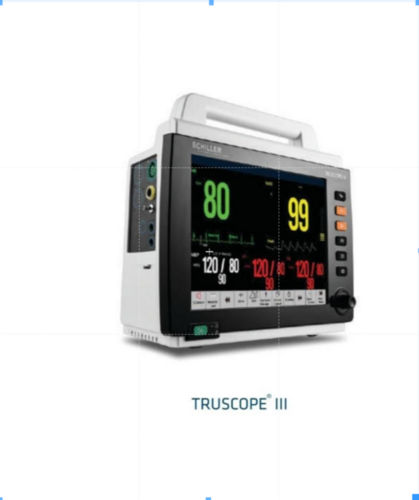
Tell us about your requirement

Price:
Quantity
Select Unit
- 50
- 100
- 200
- 250
- 500
- 1000+
Additional detail
Mobile number
Email

More Products in MEDICAL EQUIPMENTS Category
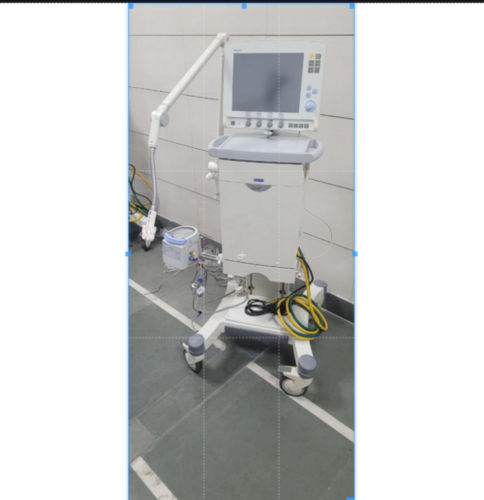
Refurbished Maquet Servo I Ventilator System
Price 350000 INR / Piece
Minimum Order Quantity : 5 Pieces
Use : Supports invasive and noninvasive ventilation for neonatal, pediatric, and adult patients
Properties : Advanced Ventilator Modes, Userfriendly Interface, Modular Design
Height : 86 cm
Application : ICU/Operating Room/Ventilation Support
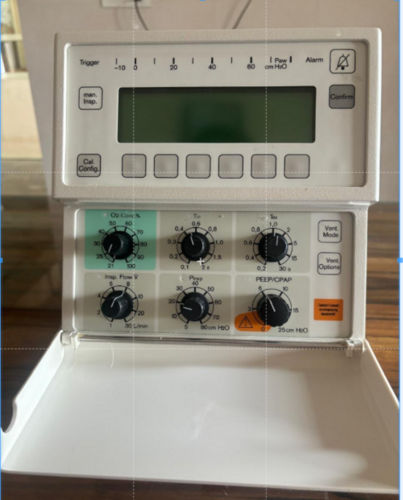
Drager Babylog 8000 Plus Ventilator
Price 350000 INR / Piece
Minimum Order Quantity : 10 Pieces
Use : Assisted mechanical ventilation for neonates and infants
Properties : Advanced ventilation modes, gentle premature lung ventilation, noninvasive and invasive support
Height : 350 mm
Application : NICU, Pediatric ICU, Hospital use
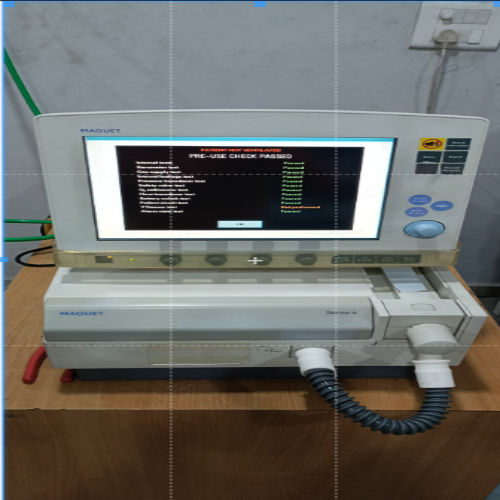
Maquet Servo S Ventilator
Price 270000 INR / Piece
Minimum Order Quantity : 10 Pieces
Use : Assisted and controlled ventilation for patients
Properties : Compact design, high performance ventilation
Height : 1700 mm with trolley
Application : Hospital, ICU, Critical Care
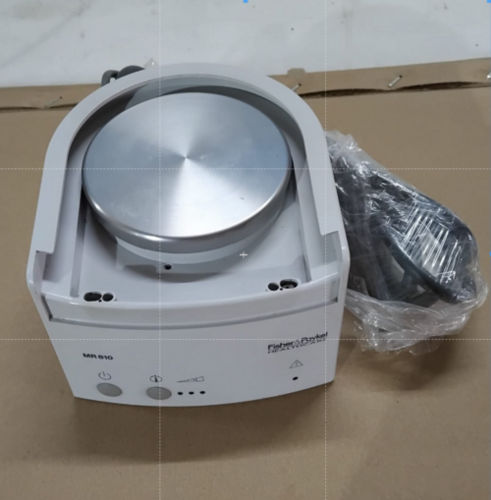
Fisher Paykel MR810 Healthcare
Price 25000 INR / Piece
Minimum Order Quantity : 10 Pieces
Use : Medical breathing circuit humidification for patients
Properties : Heated humidification, Precise temperature and humidity control, Water chamber compatibility
Height : 160 mm
Application : Hospital, Intensive Care, Respiratory Therapy


 Send Inquiry
Our Products
- Delivery Table
- Medical Ventilator
- Nasal CPAP Unit
- Phototherapy Unit
- Pulse Oximeter
- Resuscitation Care System
- Syringe Infusion Pump
- Top And Bottom Phototherapy
- Transport Incubator
- Warmer Care System
- NICU Equipments
- Philips VM3 Monitor
- Refurbished Drager Evita Xl Ventilator
- Non Portable Konica Minolta CR System
- MEDICAL EQUIPMENTS

Plot No. 33, Harmancity Road,Ambala - 133001, Haryana, India

Mr. Kamaldeep
(Manager)
Mobile :08045816960
 Send Inquiry
 Send SMS
Developed and Managed by Infocom Network Private Limited.
