
Call us now :08045816960
 Send Inquiry
 Send Inquiry
Drager Babylog 8000 Plus Ventilator
Price 350000 INR/ Piece
MOQ : 10 Pieces
Drager Babylog 8000 Plus Ventilator Specification
- Humidity Range
- 30% to 90% RH (non-condensing)
- Temperature Range
- +10C to +40C
- Power
- 120 VA
- Material
- Medical grade plastic and metal
- Display Type
- Digital, color TFT display
- Height
- 350 mm
- Frequency
- 50/60 Hz
- Weight
- 13 kg (approx.)
- Use
- Assisted mechanical ventilation for neonates and infants
- Treatment Type
- Continuous and intermittent respiratory support
- Accuracy
- Flow sensor 10%, Volume 10%
- Product Type
- Ventilator
- Dimension (L*W*H)
- 350 x 300 x 350 mm (approx.)
- Properties
- Advanced ventilation modes, gentle premature lung ventilation, non-invasive and invasive support
- Color Code
- White and Blue
- Application
- NICU, Pediatric ICU, Hospital use
- Automation Grade
- Automatic
- Function
- Mechanical ventilation, volume and pressure controlled modes
- Phase
- Neonatal, Pediatric and Preterm
- Suitable For
- Neonates, preterm infants, small children (up to 20 kg)
- Shape
- Rectangular
- Storage Capacity
- Data storage for patient logs and trends
- Power Source
- AC Mains, Internal Battery backup
- Voltage
- 100-240 V AC
- Display
- Graphic LCD Display
- Tidal Volume Range
- 3 ml to 300 ml
- Patient Circuit Type
- Single-use or reusable
- Pressure Range
- Pmax up to 70 mbar
- Gas Supply Pressure
- O2: 280600 kPa (2.86 bar); Air: 280600 kPa (2.86 bar)
- Ventilation Modes
- IMV, SIPPV, CPAP, PSV, SIMV, Manual, Spontaneous
- Noise Level
- < 50 dB(A)
- PEEP Range
- 020 mbar
- Maximum Flow Rate
- up to 20 l/min (patient flow)
- Alarm Systems
- Audio-visual alarms for apnea, pressure, disconnection, power failure, etc.
- Battery Backup
- Up to 1 hour
- Trigger Sensitivity
- Adjustable
- Language Support
- Multiple languages
- Interface Ports
- RS232 (for data communication)
- Compliance Compensation
- Automatic
- Oxygen Monitoring
- Built-in FiO2 monitoring (21%-100%)
Drager Babylog 8000 Plus Ventilator Trade Information
- Minimum Order Quantity
- 10 Pieces
- Main Domestic Market
- Chandigarh, Punjab, Haryana, Himachal Pradesh, Jammu and Kashmir
About Drager Babylog 8000 Plus Ventilator
Sensitive, accurate synchronisation and continuous adaptation features work together to provide the necessary ventilator support, allow optimal levels of spontaneous breathing, facilitate the weaning process and protect the baby from adverse effects such as volutrauma or atelectasis.Versatile Ventilation Modes
This ventilator delivers a wide array of ventilation options including both invasive and non-invasive support, ensuring adaptable care for various clinical scenarios in neonatal and pediatric respiratory management. The modes are designed for continuous and intermittent treatment, maximizing patient comfort and safety.
Safety and Monitoring Features
With audio-visual alarms for critical conditions like apnea, disconnections, pressure abnormalities, and power failures, the Drager Babylog 8000 Plus prioritizes patient safety. Built-in FiO2 monitoring and automated compliance compensation ensure accurate delivery and monitoring of oxygen levels during therapy.
User-Friendly Interface
Equipped with a digital, color TFT display and supporting multiple languages, the ventilator offers intuitive operation and easy data management. The graphical LCD presents real-time patient data, helping clinicians track trends and logs efficiently for superior clinical decision-making.
FAQ's of Drager Babylog 8000 Plus Ventilator:
Q: How is the Drager Babylog 8000 Plus Ventilator used in clinical settings for neonates and infants?
A: It delivers assisted mechanical ventilation through volume and pressure controlled modes, supporting neonatal and pediatric patients up to 20 kg in NICU and hospital environments. The system is suitable for both continuous and intermittent respiratory support, offering tailored therapy for fragile lungs.Q: What is the process for switching between ventilation modes such as CPAP, SIMV, and Manual mode?
A: Transitioning between ventilation modes is performed using the intuitive digital display interface. Clinicians can select and adjust settings such as tidal volume, PEEP, and trigger sensitivity according to patient requirements, enabling responsive and individualized care.Q: When should the single-use or reusable patient circuit be selected?
A: Single-use circuits are recommended to reduce infection risk, particularly in high-turnover or critical care settings. Reusable circuits can be utilized where appropriate, provided thorough sterilization protocols are followed between uses to maintain safety and compliance.Q: Where can the Drager Babylog 8000 Plus Ventilator be installed and operated within a hospital environment?
A: It is primarily intended for ICU settings-specifically Neonatal Intensive Care Units and Pediatric ICUs. Its compact dimensions and portable design facilitate easy positioning beside the patient bed, allowing immediate access and monitoring.Q: What are the benefits of built-in FiO2 monitoring and automatic compliance compensation in this ventilator?
A: Built-in FiO2 monitoring ensures precise delivery of oxygen concentrations, which is crucial for neonatal care. Automatic compliance compensation aids in maintaining consistent ventilation even with changes in circuit condition, enhancing patient safety and therapeutic effectiveness.Q: How long does the internal battery backup last in case of power failure?
A: The internal battery provides up to one hour of backup operation in the event of an AC mains power outage, ensuring ventilatory support continuity during short-term interruptions until external power is restored.Q: What steps should be taken to monitor and respond to the ventilator's audio-visual alarms?
A: Clinicians should promptly check alarm messages on the display and resolve underlying issues-such as patient disconnection, apnea detection, or pressure abnormalities. Regular monitoring and adherence to established hospital protocols ensure optimal safety and device performance.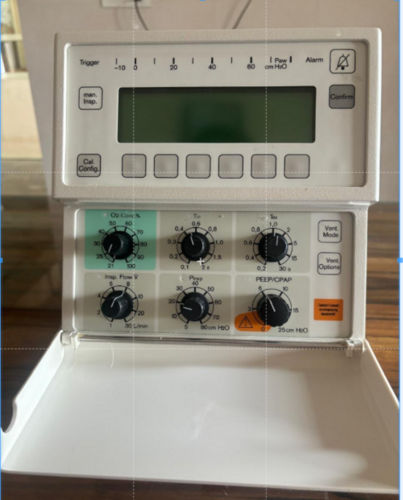
Tell us about your requirement

Price:
Quantity
Select Unit
- 50
- 100
- 200
- 250
- 500
- 1000+
Additional detail
Mobile number
Email

More Products in MEDICAL EQUIPMENTS Category
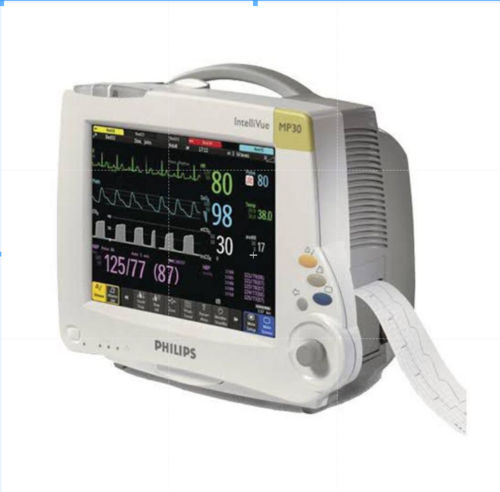
Philips MP30 Patient Monitor
Price 6700.0 INR / Piece
Minimum Order Quantity : 10 Pieces
Use : Continuous Patient Vital Monitoring
Material : ABS Plastic and Metal
Suitable For : Adult, Pediatric, Neonatal
Application : Hospital, Clinic, ICU, Emergency Ward
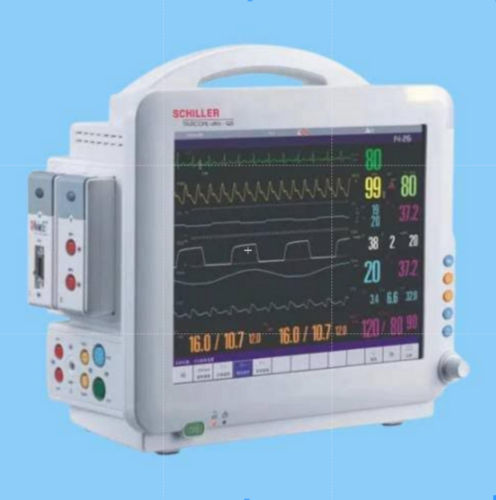
Schiller Truscope Ultra Monitor in punjab
Price 130000 INR / Piece
Minimum Order Quantity : 10 Pieces
Use : Patient Vital Signs Monitoring
Material : ABS Plastic & Metal
Suitable For : Adult, Pediatric, Neonatal
Application : Hospital, ICU, Operation Theatre
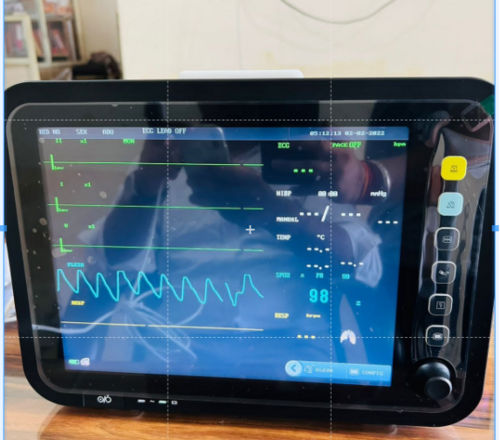
Yonker Patient Monitor
Price 21500 INR / Piece
Minimum Order Quantity : 20 Pieces
Use : Patient Vital Sign Monitoring
Material : Plastic ABS
Suitable For : Adult, Pediatric, Neonatal
Application : Hospital, Clinical, Medical Use
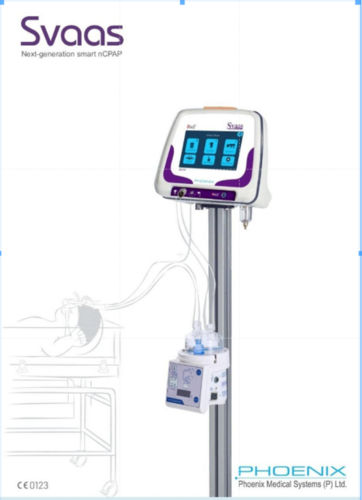
Phoenix Svaas Next Generation Smart CPAP
Price 365000 INR / Piece
Minimum Order Quantity : 10 Pieces
Use : Continuous Positive Airway Pressure for Obstructive Sleep Apnea
Material : Medical Grade Plastic
Suitable For : Adults (OSA Patients)
Application : Sleep Apnea Therapy


 Send Inquiry
Our Products
- Delivery Table
- Medical Ventilator
- Nasal CPAP Unit
- Phototherapy Unit
- Pulse Oximeter
- Resuscitation Care System
- Syringe Infusion Pump
- Top And Bottom Phototherapy
- Transport Incubator
- Warmer Care System
- NICU Equipments
- Philips VM3 Monitor
- Refurbished Drager Evita Xl Ventilator
- Non Portable Konica Minolta CR System
- MEDICAL EQUIPMENTS

Plot No. 33, Harmancity Road,Ambala - 133001, Haryana, India

Mr. Kamaldeep
(Manager)
Mobile :08045816960
 Send Inquiry
 Send SMS
Developed and Managed by Infocom Network Private Limited.
