Call us now :08045816960
 Send Inquiry
 Send Inquiry
Phoenix Brilliance World Class Photo Therapy
Price 39000 INR/ Piece
MOQ : 20 Pieces
Phoenix Brilliance World Class Photo Therapy Specification
- Properties
- Long Life, Efficient Light Output, Portable
- Function
- Phototherapy Treatment
- Frequency
- 50 Hz
- Temperature Range
- Ambient Temperature
- Accuracy
- High Precision
- Display Type
- LED Display
- Phase
- Single Phase
- Application
- Hospital, Clinic, Neonatal Care
- Automation Grade
- Automatic
- Power
- 40 W
- Dimension (L*W*H)
- 480 x 320 x 220 mm
- Shape
- Rectangular
- Weight
- 7 kg
- Height
- Adjustable up to 180 cm
- Use
- Newborn Jaundice Treatment
- Product Type
- Phototherapy Equipment
- Color Code
- White & Blue
- Treatment Type
- Phototherapy (Bilirubin Reduction)
- Suitable For
- Neonates
- Humidity Range
- Up to 85% RH
- Material
- ABS Body, Metal Stand
- Display
- Digital
- Voltage
- 220-240 V
- Power Source
- Electric
- Maintenance
- Low Maintenance
- Mobility
- Easy to Move
- Timer
- Integrated Digital Timer
- Cooling System
- Air Cooling
- No. of LED Lamps
- 24 (Blue) + 4 (White)
- Safety Features
- Overheat Protection, Fuse Protection
- Average LED Life
- >50,000 hours
- Mounting Type
- Mobile with Castor Wheels
- Irradiance
- >35 W/cm2/nm
- Lamp Position
- Overhead
- Light Source
- High Intensity Blue LED
Phoenix Brilliance World Class Photo Therapy Trade Information
- Minimum Order Quantity
- 20 Pieces
- Main Domestic Market
- Haryana, Himachal Pradesh, Punjab, Jammu and Kashmir, Chandigarh
About Phoenix Brilliance World Class Photo Therapy
SmartTilt TechnologySmartTilt ensures that the Brilliance Pro works effectively at any position and along with other pieces of neonatal intensive care equipment. This technology provides light of uniform intensity across the treatment area. Energy EfficientConsumes less than half the power consumed by CFLs. Minimal MaintenanceLEDs last 60 times longer compared with CFLs. Hospitals can enjoy considerable savings by avoiding costly bulb replacements. QualityDesigned to withstand severe power fluctuations without any change in performance. Therapy TimerTreatment times are easily tracked and readings are displayed on an LCD screen. Effective Surface AreaMaximum possible body surface area for effective phototherapy as per the recommended standards of American Academy of PediatricsAdvanced Phototherapy for Neonatal Care
Phoenix Brilliance World Class Photo Therapy offers a reliable solution for treating neonatal jaundice. Utilizing high-intensity blue LED technology, this device ensures effective bilirubin breakdown while maintaining patient safety. Its lightweight design and mobile castor wheels enable easy repositioning within medical facilities, making it a must-have for hospitals and clinics specializing in newborn care.
Engineered for Efficiency and Safety
With an average LED lifespan of over 50,000 hours and a robust air cooling system, the phototherapy unit guarantees consistent performance and minimal maintenance. Integrated safety features-such as overheat and fuse protection-help safeguard both patients and staff. The digital display and timer allow for precise treatment monitoring and control, contributing to optimal clinical outcomes.
FAQ's of Phoenix Brilliance World Class Photo Therapy:
Q: How does the Phoenix Brilliance Photo Therapy device work for newborn jaundice treatment?
A: The Phoenix Brilliance device uses high-intensity blue LED lights to help break down excess bilirubin in a newborn's blood. This process reduces jaundice levels safely and efficiently, making phototherapy essential for neonatal care.Q: What features make this phototherapy unit suitable for hospital and clinical use?
A: Key features include high precision LED output, an integrated digital timer, adjustable height up to 180 cm, mobile design with castor wheels, overheat and fuse protection, and an easy-to-clean ABS and metal construction. These all contribute to its suitability for demanding healthcare environments.Q: When should phototherapy be initiated using this device for a neonate?
A: Phototherapy with the Phoenix Brilliance unit should begin when a newborn's bilirubin levels reach thresholds that may risk health, as determined by clinical guidelines and physician assessment. Early intervention ensures effective management of jaundice.Q: Where is the best place to set up this phototherapy device?
A: This device is designed for use in neonatal care units, clinics, or hospital wards. Its portable design and castor wheels mean it can easily be moved and set up wherever jaundiced newborns require treatment.Q: What is the maintenance process for this phototherapy system?
A: The Phoenix Brilliance unit is low maintenance. Routine checks involve inspecting LEDs, ensuring the cooling system is functional, and verifying the integrity of safety features. Its durable materials allow for straightforward cleaning and disinfection.Q: How long do the LED lamps last, and what benefits does this offer?
A: The blue and white LED lamps have an average life exceeding 50,000 hours, ensuring long-term use with minimal replacements. This longevity reduces maintenance costs and ensures consistent treatment availability.Q: What are the advantages of using this automatic phototherapy unit over traditional devices?
A: It offers efficient light output, highly precise digital controls, integrated automation for ease of use, superior mobility, and advanced safety features-all of which enhance treatment effectiveness and improve workflow in busy medical settings.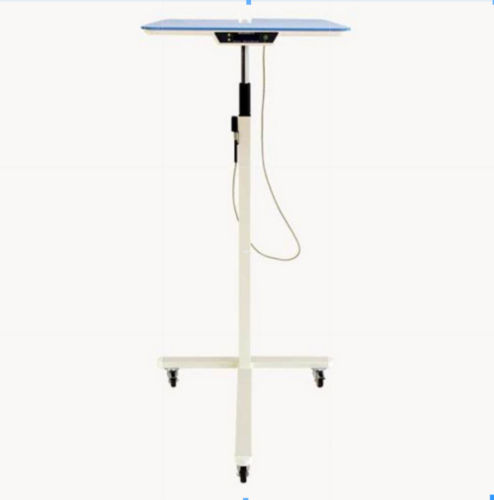
Tell us about your requirement

Price:
Quantity
Select Unit
- 50
- 100
- 200
- 250
- 500
- 1000+
Additional detail
Mobile number
Email

More Products in NICU Equipments Category
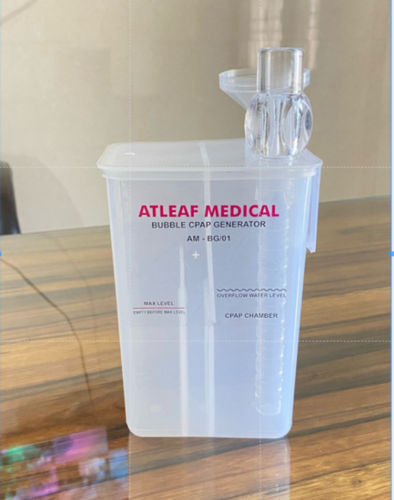
Bubble Generator
Price 1500 INR / Piece
Minimum Order Quantity : 20 Pieces
Properties : Efficient bubble production, corrosionresistant, low noise
Function : Produces consistent and uniform bubbles
Temperature Range : 0C to 40C
Automation Grade : SemiAutomatic
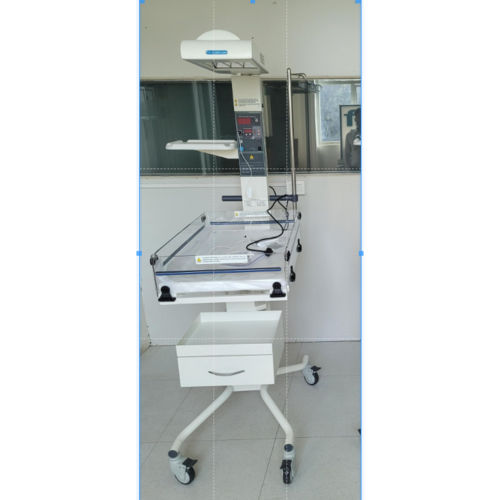
Phoenix Baby Warmer in punjab
Price 55000 INR / Piece
Minimum Order Quantity : 10 Pieces
Properties : Servo controlled, Overhead radiant heater
Function : Infant Warming
Temperature Range : 30C 39C
Automation Grade : Automatic
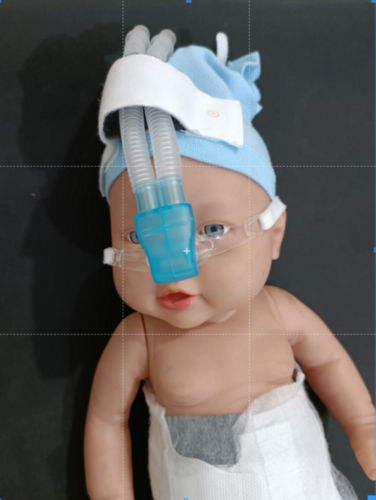
Besmed Silicon Inflow Nasal Bubble CPAP Kit
Price 1500 INR / Piece
Minimum Order Quantity : 1000 Pieces
Properties : Flexible, Soft, Biocompatible
Function : NonInvasive Airway Pressure Support
Temperature Range : 15C to 40C
Automation Grade : Manual
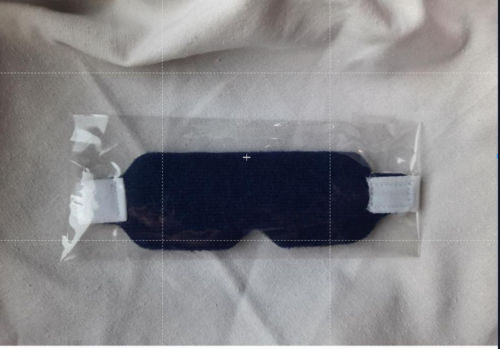
Neonatal Phototherapy Eye Mask
Price 35 INR / Piece
Minimum Order Quantity : 1000 Pieces
Properties : Adjustable, Hypoallergenic, Breathable, Lightblocking
Function : Blocks Harmful Phototherapy Light
Temperature Range : 0C to 40C (Storage)
Automation Grade : Manual


 Send Inquiry
Our Products
- Delivery Table
- Medical Ventilator
- Nasal CPAP Unit
- Phototherapy Unit
- Pulse Oximeter
- Resuscitation Care System
- Syringe Infusion Pump
- Top And Bottom Phototherapy
- Transport Incubator
- Warmer Care System
- NICU Equipments
- Philips VM3 Monitor
- Refurbished Drager Evita Xl Ventilator
- Non Portable Konica Minolta CR System
- MEDICAL EQUIPMENTS

Plot No. 33, Harmancity Road,Ambala - 133001, Haryana, India

Mr. Kamaldeep
(Manager)
Mobile :08045816960
 Send Inquiry
 Send SMS
Developed and Managed by Infocom Network Private Limited.
